Best Moisturizers for Very Dry Skin That Actually Work (Deep Repair Picks)
Written by Grace Reyes — an independent skincare researcher who reads ingredient labels obsessively so you don’t have to.
The right moisturizer can genuinely change how dry skin feels day to day: less tightness, less flaking, more comfort by midday. The difference usually comes down to ingredients: humectants that pull in moisture, emollients that smooth rough texture, and occlusives that lock everything in. Here are seven options across different price points and skin concerns.
Best Moisturizers for Very Dry Skin
1. Clinique Moisture Surge 100H Auto-Replenishing Hydrator
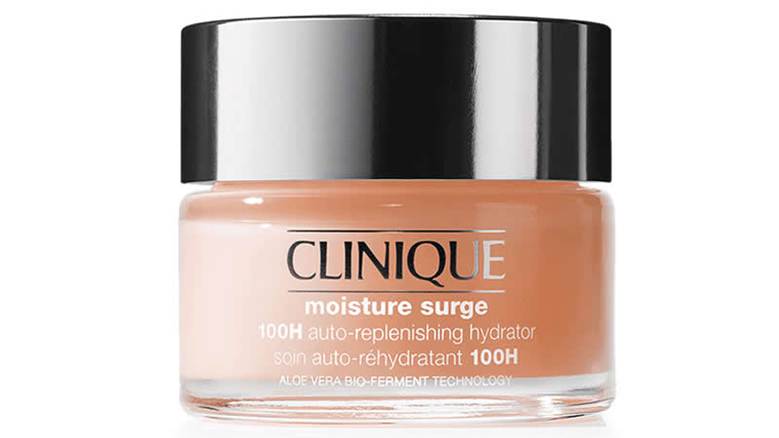
Best for: all skin types, everyday hydration
Price: approx. $50–70
Key ingredients: aloe biosaccharide, hyaluronic acid
Why it works: A lightweight gel-cream that delivers hydration without feeling heavy or greasy, which makes it easy to layer under makeup or sunscreen.
Not ideal for: very severe dryness on its own; this is more of a daily hydrator than a deep-repair barrier cream; pair it with a richer night cream in dry winter months.
2. Avene Hydrance Rich Hydrating Cream
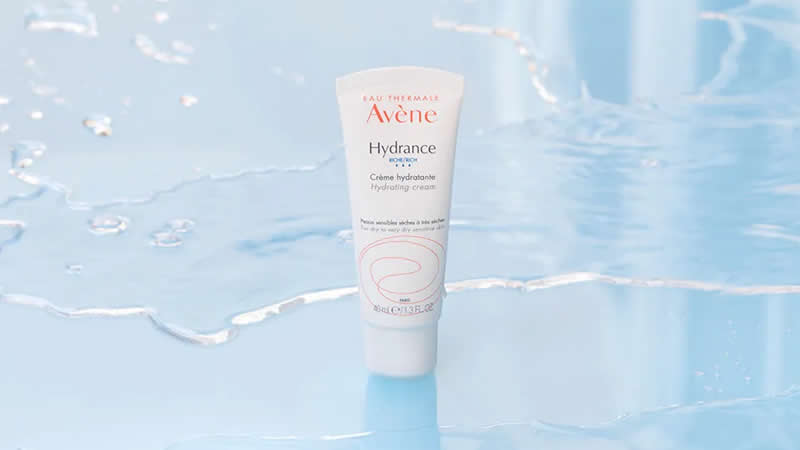
Best for: dry, sensitive, reactive skin
Price: approx. $35–45
Key ingredients: Avene Thermal Spring Water, hyaluronic acid. Why it works: Built around Avene’s mineral-rich thermal water, which has a long-standing reputation for calming reactive skin, this rich cream suits nighttime use when skin feels tight or flaky.
Not ideal for: oily or combination skin; the richness targets dry, sensitive skin and may feel heavy otherwise.
3. Kiehl’s Ultra Facial Advanced Repair Barrier Cream
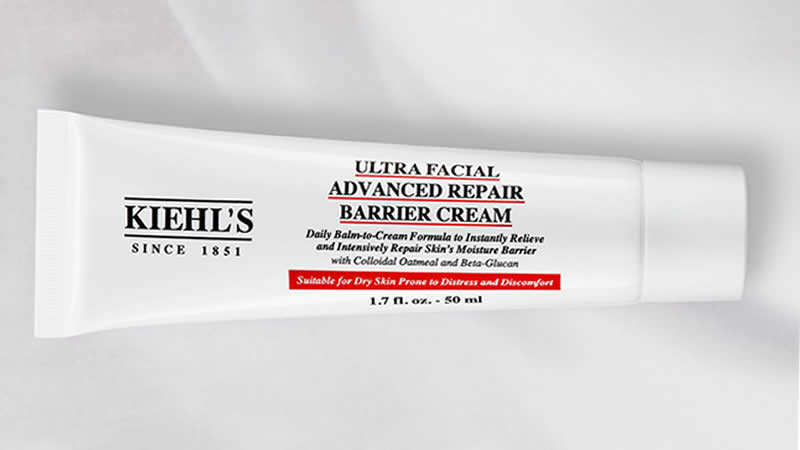
Best for: dry skin exposed to cold or harsh weather
Price: approx. $32–45
Key ingredients: squalane, glacial glycoprotein. Why it works: Squalane is a well-tolerated emollient that mimics the skin’s natural oils, helping this formula lock in moisture without feeling greasy a solid winter staple.
Not ideal for: anyone wanting active ingredients (retinol, acids) in the same product; this is a straightforward barrier moisturizer, not a treatment cream.
4. SkinCeuticals Triple Lipid Restore 2:4:2
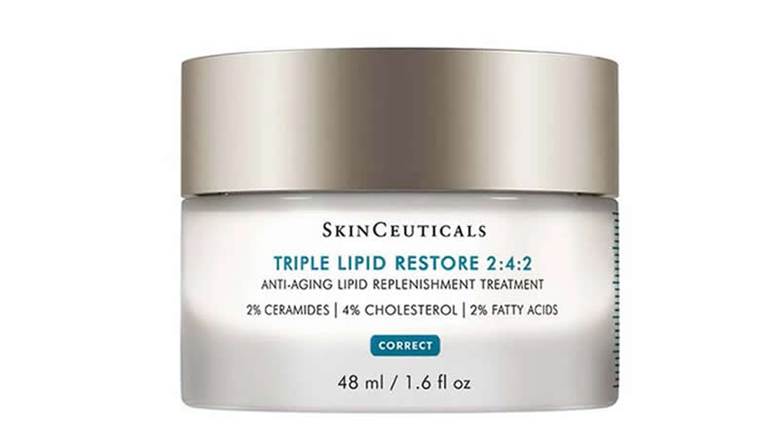
Best for: dry, ageing, or mature skin
Price: premium tier commonly $155+ depending on retailer (check current listing, as pricing varies significantly by seller)
Key ingredients: 2% pure ceramides, 4% natural cholesterol, 2% fatty acids in a specific ratio patented by the brand to match what mature skin loses most
Why it works: Rather than just adding ceramides, this targets the full lipid trio (ceramides, cholesterol, fatty acids) in a ratio designed to match what ageing skin actually depletes; it’s also sometimes recommended by dermatologists to use alongside retinoids to offset dryness.
Not ideal for: budget-conscious shoppers or younger skin without significant barrier or ageing concerns; this is priced and formulated for a specific, more advanced need.
5. La Roche-Posay Toleriane Double Repair Moisturizer
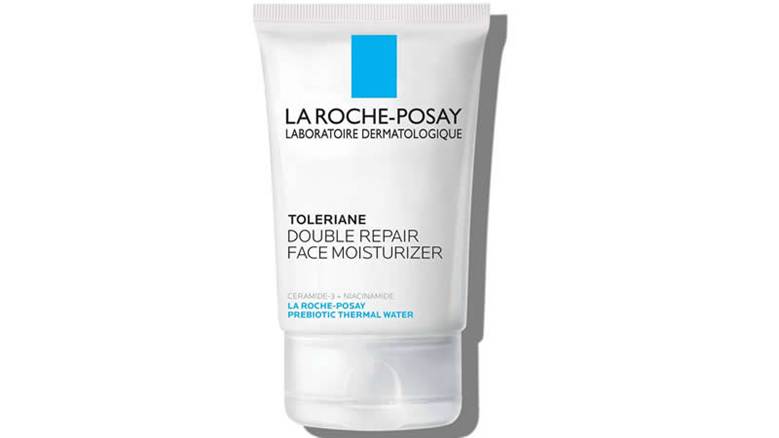
Best for: sensitive, acne-prone, or reactive dry skin
Price: approx. $24–30
Key ingredients: ceramide-3, niacinamide, glycerin. Why it works: A well-regarded, dermatologist-recommended option that balances hydration with barrier support, without the heaviness that can trigger breakouts; a good middle ground for dry skin that’s also acne-prone.
Not ideal for: very severe or eczema-level dryness, where a richer, more occlusive cream may be needed.
6. Caudalie Premier Cru The Rich Cream
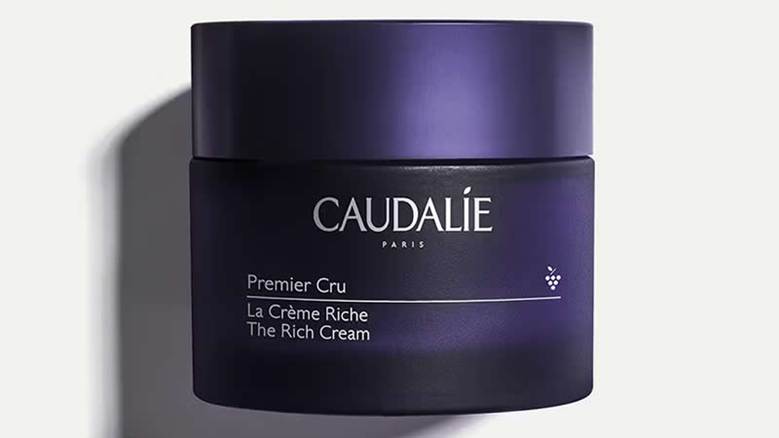
Best for: mature, dull, dry skin wanting an anti-ageing boost
Price: approx. $119–130
Key ingredients: Caudalie’s Resveratrol-Complex (grape-derived antioxidants), hyaluronic acid
Why it works: A luxury option that pairs hydration with visible radiance and firmness claims; a reasonable pick if you specifically want an anti-ageing cream, not just a barrier repair one.
Not ideal for: anyone who mainly wants hydration without paying a premium for anti-ageing positioning; several less expensive options on this list hydrate just as effectively.
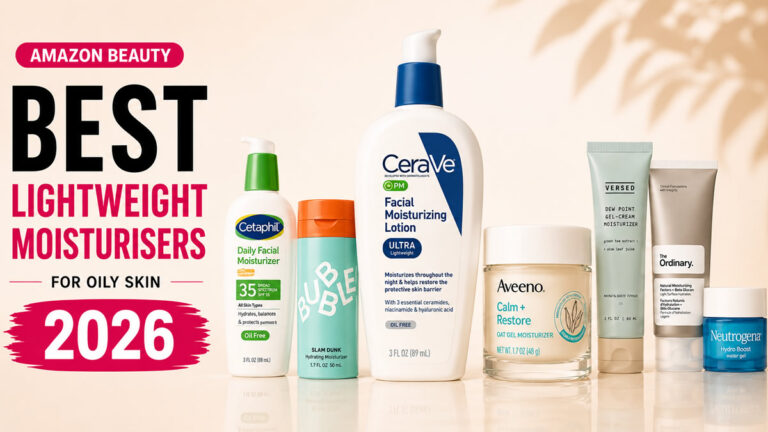
7. Neutrogena Hydro Boost Water Gel
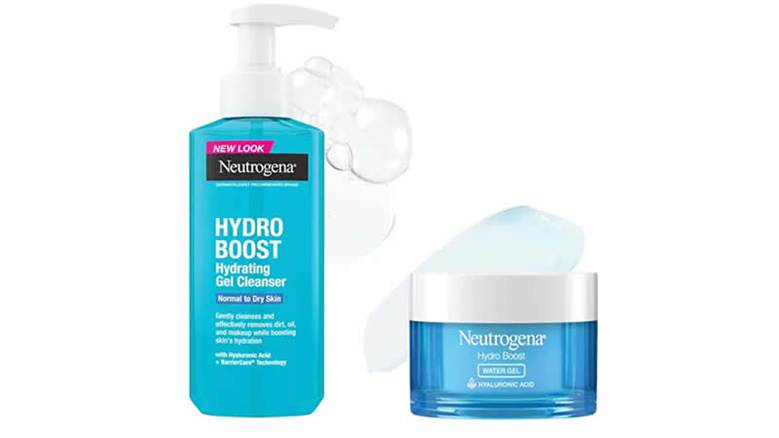
Best for: normal-to-dry or combination skin, budget-conscious buyers
Price: approx. $22–30. Key ingredients: hyaluronic acid
Why it works: A water-based gel that absorbs quickly and hydrates without feeling greasy; one of the most accessible, well-reviewed options for everyday use.
Not ideal for: very severe dryness in cold, low-humidity climates; this is a lighter formula than a true barrier-repair cream.
What to Look for in a Dry-Skin Moisturizer
- Humectants (hyaluronic acid, glycerin) draw moisture into the skin.
- Emollients (squalane, shea butter, plant oils) smooth rough texture.
- Occlusives (petrolatum, dimethicone) lock in moisture and reduce water loss.
- Ceramides and niacinamide help rebuild and strengthen the skin barrier over time.
The most effective dry-skin moisturizers usually combine at least one ingredient from each category, rather than relying on a single hero ingredient.
Getting the Most Out of Your Moisturizer
- Apply to slightly damp skin to help lock in extra hydration.
- Use morning and night, and consider layering a hydrating serum underneath for added benefit.
- Avoid very hot showers, which strip natural oils and can worsen dryness.
- If your skin is severely dry or flaking despite consistent use, it may be worth checking whether your skin barrier is compromised rather than just under-moisturized.
Related Reading
Building a full routine for reactive or sensitive skin? See our skincare picks for sensitive skin.
Want smoother skin before moisturizing? See our best face scrubs for dull, rough skin.
Not sure what order to apply everything in? See our Skincare Layering Order guide.
Frequently Asked Questions
What’s the actual difference between a humectant, emollient, and occlusive?
Humectants (like hyaluronic acid) draw water into the skin. Emollients (like squalane) smooth and soften texture. Occlusives (like petrolatum or dimethicone) form a seal on top to prevent water loss. Most effective moisturizers for dry skin combine at least two of these three.
Should I use a richer cream in winter than in summer?
Often yes. Cold, dry air and indoor heating both increase water loss from skin, so many people find they need a richer or more occlusive formula in winter than they do in warmer, more humid months.
Can a moisturizer alone fix very dry, flaky skin?
Usually not on its own. If the dryness is severe or persistent, that’s often a sign of a compromised skin barrier, which needs a more deliberate repair routine (fewer actives, more barrier-supporting ingredients) rather than just a heavier moisturizer.
Is it bad to use a rich night cream during the day?
Not inherently, but richer formulas can feel heavy under makeup or sunscreen, and some contain ingredients (like certain oils) that aren’t ideal in direct sun. Many people prefer a lighter formula by day and save the richer cream for night.
Do more expensive moisturizers actually work better?
Not necessarily; price often reflects packaging, brand positioning, or speciality ingredients (like SkinCeuticals’ patented lipid ratio) rather than a guaranteed performance gap. Several budget options on this list (Neutrogena, La Roche-Posay) perform well for most people.
Disclaimer: The content on The Glow with Grace is for educational and informational purposes only. It is not intended as a substitute for professional medical or dermatological advice.
Explore more skincare guides on The Glow with Grace homepage.