How to Repair a Damaged Skin Barrier: Signs, Causes and Timeline
Written by Grace Reyes — Independent skincare researcher who reads ingredient labels obsessively so you don’t have to.
Starting a new skincare routine or overusing active ingredients often leads to a compromised moisture barrier, and knowing how to repair a damaged skin barrier is essential for restoring your skin’s health. When your protective outer layer is compromised, even basic hydrators can cause a burning sensation.
What Is the Skin Barrier and How Does It Work?
Your skin barrier, specifically the outermost layer known as the stratum corneum, functions like a protective brick wall. The bricks are your skin cells (corneocytes), and the mortar is a lipid matrix composed of ceramides, cholesterol, and free fatty acids.
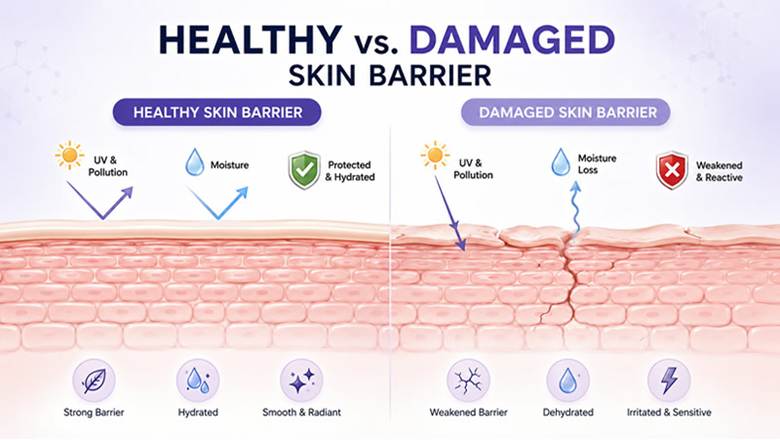
This structure serves two critical purposes:
- Transepidermal Water Loss (TEWL) Defence: It locks moisture inside the deeper layers of your skin.
- External Shielding: It blocks environmental pollutants, bacteria, and irritants from penetrating your body.
When active ingredients or harsh weather strip away these vital lipids, the mortar crumbles. Moisture escapes rapidly, leaving your skin defenceless against external triggers.
Common Signs of a Damaged Skin Barrier
Identifying barrier damage quickly allows you to adjust your routine before severe inflammation sets in. Watch out for these primary symptoms:
- Stinging and Burning: Applying basic, gentle products (like plain water or simple moisturisers) causes immediate discomfort.
- Persistent Redness and Flaking: Your skin looks raw, flushed, or shows patchy, dry flakes that do not smooth out with exfoliation.
- Tightness and Dehydration: Skin feels uncomfortably tight, even shortly after applying rich creams.
- Sudden Sensitivity: Products your skin previously tolerated suddenly trigger itching or contact dermatitis.
- Increased Breakouts: A weakened barrier allows acne-causing bacteria to enter pores while increased TEWL triggers excess sebum production.
Primary Causes of Barrier Damage
Understanding the root cause prevents you from repeating the same mistakes during the recovery phase.
- Over-Exfoliation: Using chemical exfoliants (AHAs, BHAs) or physical scrubs daily strips away protective lipids faster than your body can replenish them.
- Aggressive Retinoid Use: Starting high-potency Retinol, Adapalene, or Tretinoin without proper buffering or gradual frequency leads to severe peeling and barrier disruption. Following a proper How to Master Your Skincare Layering Order (Morning and Night) prevents accidental over-application and barrier stress.
- Harsh Cleansers: Alkaline bar soaps or cleansers containing harsh sulfates (SLS) alter your skin’s natural acidic pH (around 4.7 to 5.5).
- Environmental Stressors: Extreme cold, dry indoor heating, low humidity, and unfiltered UV radiation weaken lipid production.
How to Repair a Damaged Skin Barrier (Step-by-Step)
To heal your skin, temporarily eliminate all potential irritants and switch to a minimalist recovery routine.
Step 1: Strip Your Routine to the Essentials
Stop using all active ingredients immediately. This includes Vitamin C, exfoliating acids, retinoids, physical scrubs, and cleansing brushes. Keep your daily steps limited to:
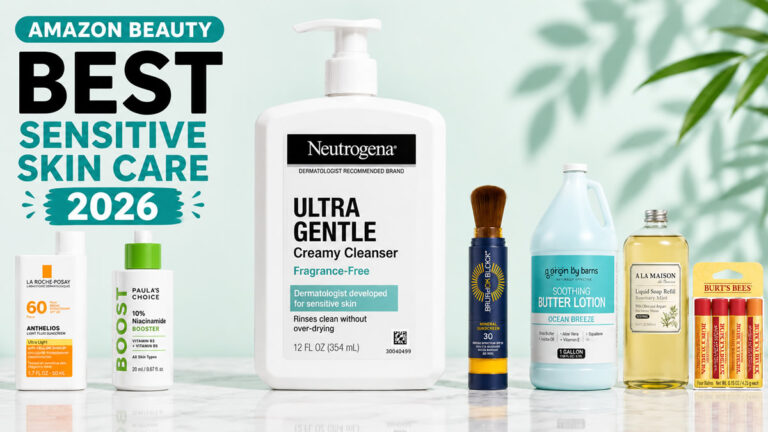
- A gentle, non-foaming cleanser. (check our top recommendations for the best face wash for sensitive skin to avoid stripping lipids).
- A deeply hydrating and lipid-replenishing moisturiser.
- A broad-spectrum mineral sunscreen.
Step 2: Wash with Lukewarm Water
Hot water strips essential lipids and worsens redness. Wash your face using lukewarm or cool water and a gentle, sulfate-free cleanser once daily (in the evening). Rinsing with plain water in the morning is often sufficient for compromised skin.
Step 3: Layer Key Barrier-Repair Ingredients
Focus on ingredients that mimic and replenish your skin’s natural lipid structure:
- Ceramides: The primary lipid necessary for restoring structural integrity to the stratum corneum.
- Hyaluronic Acid and Glycerin: Potent humectants that draw water into the upper skin layers to relieve dehydration.
- Centella Asiatica (Cica) and Panthenol (Vitamin B5): Soothing compounds that reduce inflammation, soothe stinging, and accelerate tissue repair.
- Niacinamide (Low Concentrations 2-5%): Helps stimulate natural ceramide synthesis without causing flushing.
Step 4: Seal in Moisture Overnight
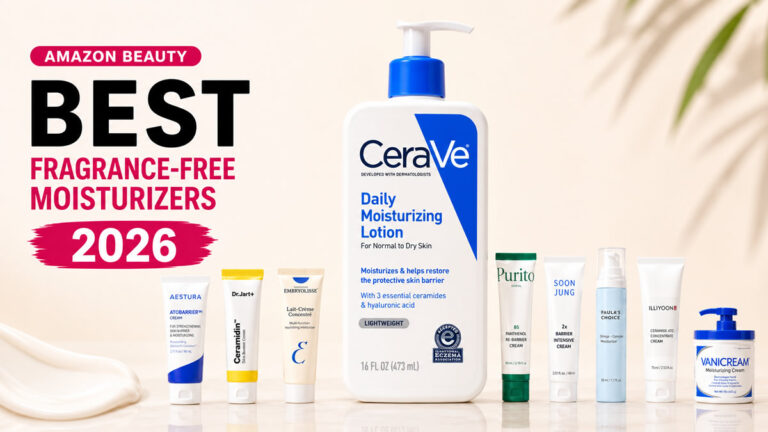
Apply a rich barrier cream containing occlusives like petrolatum, squalane, or shea butter as the final step in your evening routine to drastically reduce TEWL. Explore our curated list of the best fragrance-free moisturisers for sensitive skin to find barrier-safe recovery options.
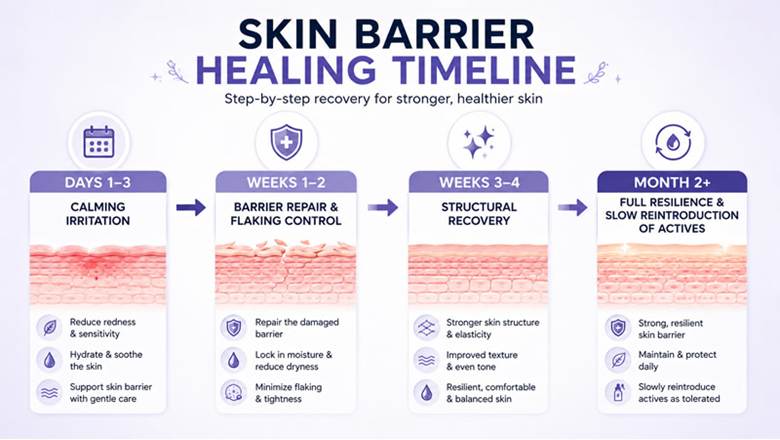
Skin Barrier Healing Timeline: What to Expect
Recovery speed depends on your skin type, age, and the severity of the damage. Here is a realistic timeline:
| Recovery Phase | Expected Changes | Action Required |
| Days 1–3 | Reduced stinging, less acute redness. | Eliminate all actives; use only soothing creams and SPF. |
| Week 1–2 | Flaking stops; hydration levels stabilise. | Maintain a strict minimalist routine; do not reintroduce actives early. |
| Week 3–4 | Moisture barrier structural repair occurs. | Skin feels plump and comfortable; natural barrier functions return. |
| Month 2+ | Full resilience restored. | Reintroduce active ingredients slowly (once or twice weekly). |
Frequently Asked Questions (FAQs)
1. How long does it take to repair a damaged skin barrier?
For mild damage, healing typically takes 2 to 4 weeks (one full skin cell turnover cycle). Severe barrier damage from over-exfoliation or prescription retinoids can take up to 2 to 3 months to fully repair.
2. Should I stop using sunscreen while my skin barrier is healing?
No. UV exposure worsens inflammation and slows down recovery. Switch to a fragrance-free, mineral-based sunscreen (zinc oxide) which sits on top of the skin without causing stinging.
3. Can I use Hyaluronic Acid on a damaged skin barrier?
Yes, but always apply Hyaluronic Acid to damp skin followed immediately by a ceramide-rich cream. Applying humectants to dry skin in low-humidity environments can pull water out of deeper skin layers.
4. When is it safe to reintroduce Retinol or exfoliants?
Wait until your skin shows zero signs of stinging, tightness, or redness for at least two consecutive weeks. Reintroduce one active ingredient at a time, starting once a week using the sandwich method (moisturiser, active, moisturiser).
Disclaimer: The content on The Glow with Grace is for educational and informational purposes only. It is not intended as a substitute for professional medical or dermatological advice.
Explore more skincare guides on The Glow with Grace homepage.