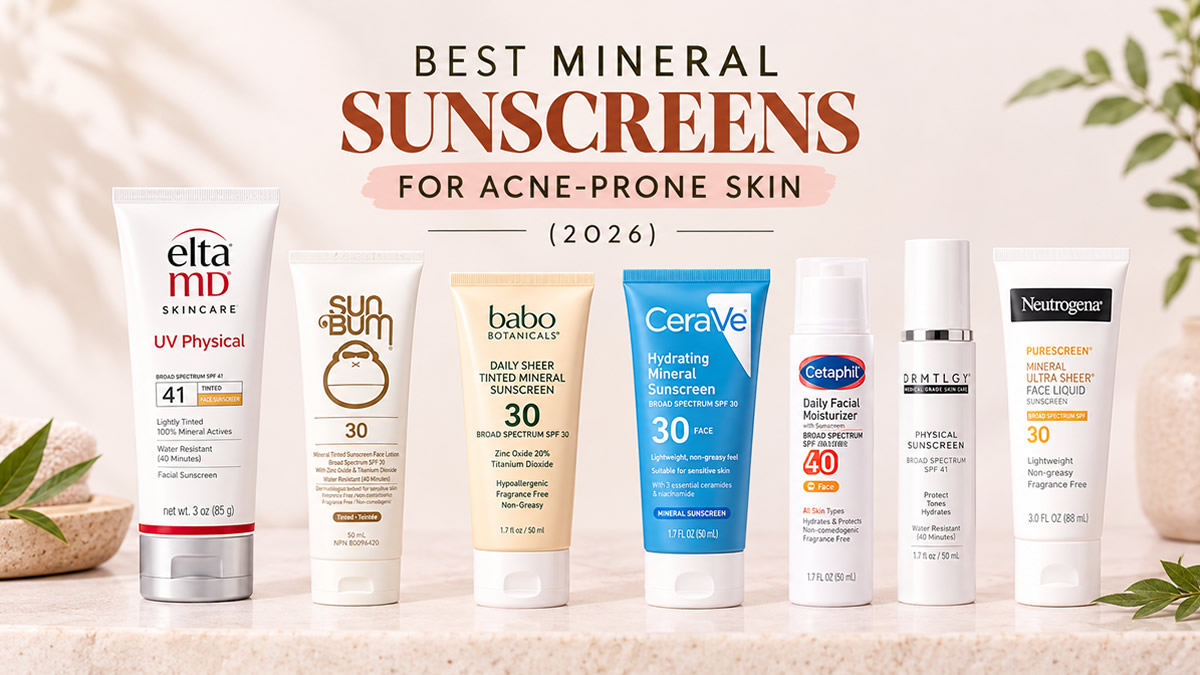
Best Mineral Sunscreens for Acne-Prone Skin (2026)
Written by Grace Reyes — an independent skincare researcher who reads ingredient labels obsessively so you don’t have to.
Finding a mineral sunscreen that won’t trigger breakouts or irritate inflamed skin can feel like an endless trial-and-error process. If you’re dealing with persistent acne and redness, your skin needs weightless, physical UV protection that guards your moisture barrier without clogging pores.
We rounded up the best true mineral sunscreens for acne-prone skin, meaning every product below uses zinc oxide and/or titanium dioxide as its only active ingredients, with no chemical UV filters mixed in. That distinction matters: chemical filters (avobenzone, octinoxate, octocrylene, etc.) can irritate reactive, breakout-prone skin more than physical filters do, which is exactly what people searching for “mineral sunscreen” are trying to avoid.
⚡ Top Picks at a Glance
- Best Overall: EltaMD UV Physical Broad-Spectrum SPF 41 (Tinted)
- Best Budget Pick: Sun Bum Mineral Tinted Face Lotion SPF 30
- For Redness & Sensitivity: Cetaphil Redness Relieving Daily Facial Moisturizer
- Best for Oily Skin: Paula’s Choice RESIST Super-Light Daily Wrinkle Defence SPF 30
- Most Fragrance-Free/Sensitive-Skin Focused: Blue Lizard Sensitive Mineral Sunscreen SPF 50+
How We Selected These
Every product here is confirmed as a 100% mineral (physical) sunscreen — we checked each ingredient list rather than trusting marketing copy. We prioritised formulas that are also fragrance-free and non-comedogenic, since both matter for acne-prone, reactive skin.
Best Mineral Sunscreens for Acne-Prone Skin
1. EltaMD UV Physical Broad-Spectrum SPF 41 (Tinted)
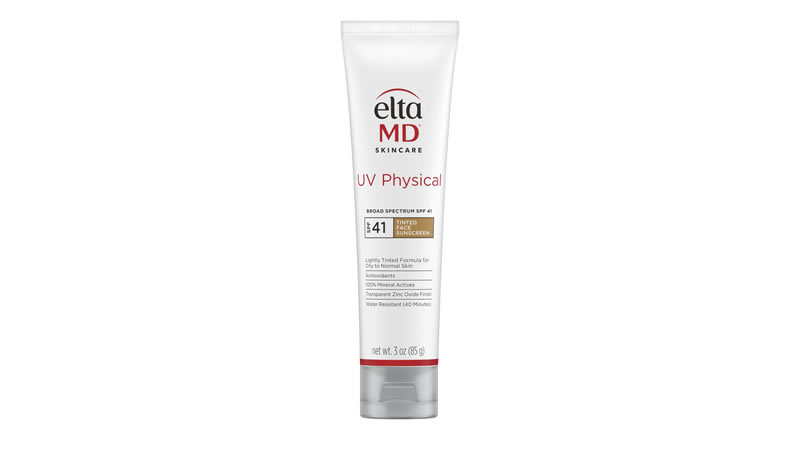
Best for: daily oil-free protection, sensitive/acne-prone skin. Price: around $44–48 for 3 oz. Active
ingredients: Titanium Dioxide 7%, Zinc Oxide 9%
Why it works: This is one of the most dermatologist-recommended mineral sunscreens on the market. It’s fragrance-free, oil-free, and lightly tinted to reduce the white cast common with mineral formulas. It also contains antioxidants (vitamin E, ginger root extract) that help calm redness. Not ideal for: people who want a very budget-friendly option or very deep skin tones. The tint is designed for a broad range, but mineral sunscreens in general can leave a slight cast on darker complexions.
2. Cetaphil Redness Relieving Daily Facial Moisturizer with SPF
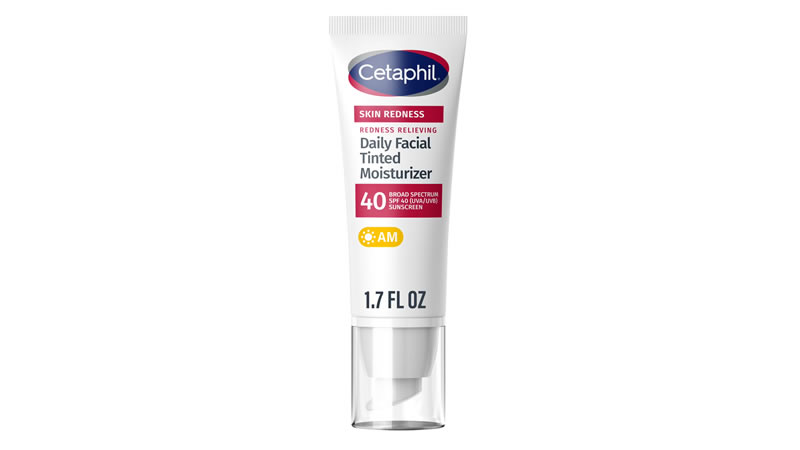
Best for: rosacea-prone or chronically red, irritated skin
Price: typically $18–24 depending on size/SPF version
Active ingredients: Titanium Dioxide and Zinc Oxide (concentration varies by SPF version; SPF 20 and SPF 40 versions exist)
Why it works: Made by Galderma (the same company behind several prescription rosacea treatments), this combines mineral UV filters with liquorice extract, caffeine, and allantoin ingredients, with real evidence for calming redness and inflammation. The green-toned tint is specifically designed to neutralise redness, not just cover it.
Not ideal for: anyone wanting a high SPF for long outdoor exposure. The SPF 20 version, in particular, is lower than the SPF 30+ most dermatologists recommend for extended sun time. Check which SPF version you’re buying, since Cetaphil sells more than one.
3. Sun Bum Mineral Tinted Face Lotion SPF 30
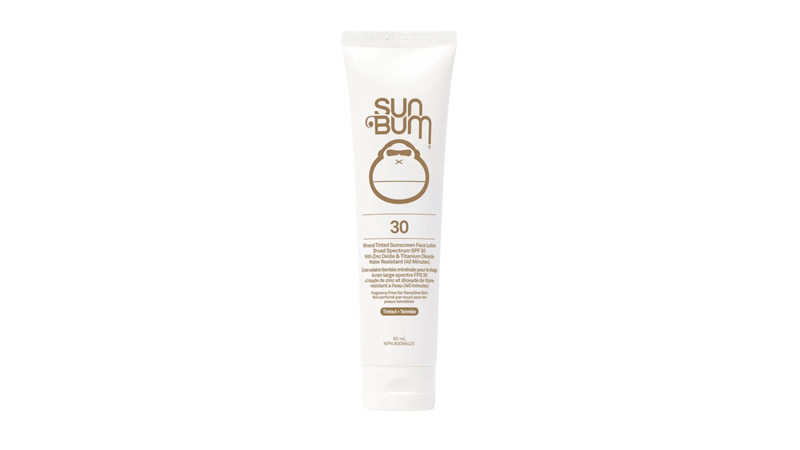
Best for: budget-conscious buyers who still want a genuine mineral formula
Price: around $18–26 for 1.7 oz
Active ingredients: Titanium Dioxide ~5.3–5.8%, Zinc Oxide ~2.4%
Why it works: This is a real, verified mineral sunscreen (not a hybrid), fragrance-free, vegan, reef-friendly, and doubles as a lightweight primer with a matte finish. It’s one of the more affordable genuinely mineral options in this list.
Not ideal for: very oily skin needing all-day shine control. Reviewers note the matte finish fades faster than some pricier options, and it may need reapplication sooner if you’re sweating heavily.
4. Blue Lizard Sensitive Mineral Sunscreen SPF 50+
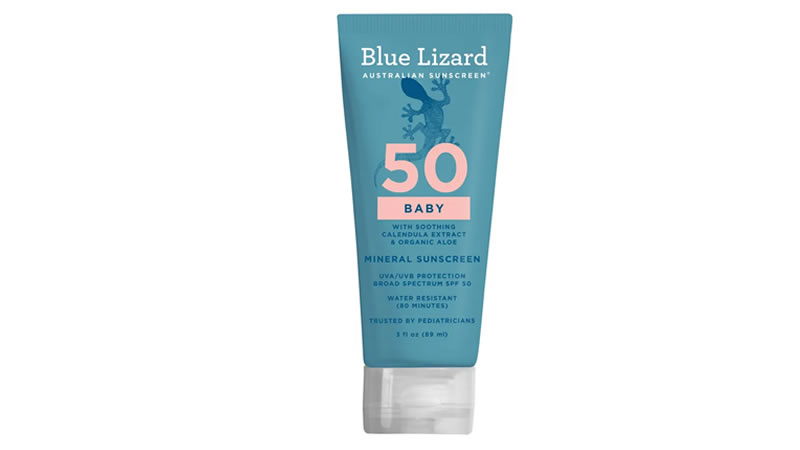
Best for: highly reactive, easily irritated skin
Price: around $15–20
Active ingredients: Zinc oxide-based, fragrance-free formula
Why it works: Blue Lizard’s Sensitive line is formulated specifically to minimise irritation, with no fragrance and a higher SPF (50+) for longer outdoor exposure. It’s water- and sweat-resistant.
Not ideal for: people who dislike a slightly heavier, more traditional mineral-sunscreen texture; this isn’t as thin or invisible as some newer tinted formulas.
5. Paula’s Choice RESIST Super-Light Daily Wrinkle Defence SPF 30
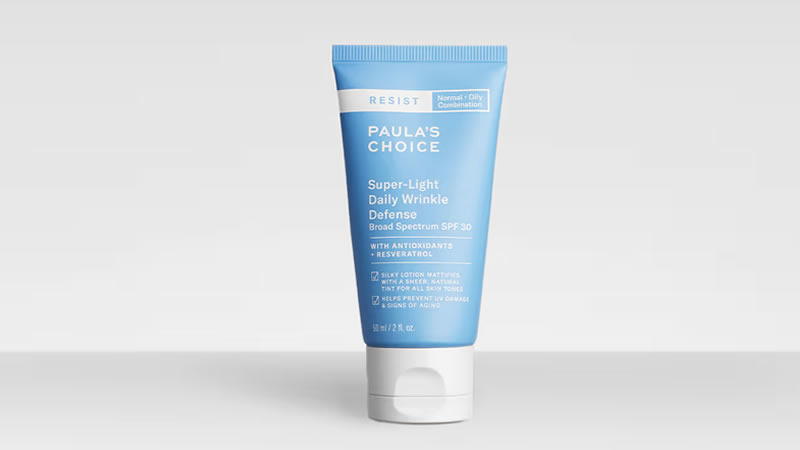
Best for: oily, acne-prone skin that wants a matte, primer-like finish
Price: around $36–39
Active ingredients: Zinc oxide-based mineral formula
Why it works: Formulated with oil control in mind, this has a cream-to-powder finish that helps absorb midday shine, which makes it popular for people who find most sunscreens too greasy for acne-prone skin.
Not ideal for: dry skin types; the oil-absorbing finish can feel tight or drying if your skin isn’t already on the oilier side.
6. CeraVe Hydrating Mineral Sunscreen SPF 30 (Sheer Tint)
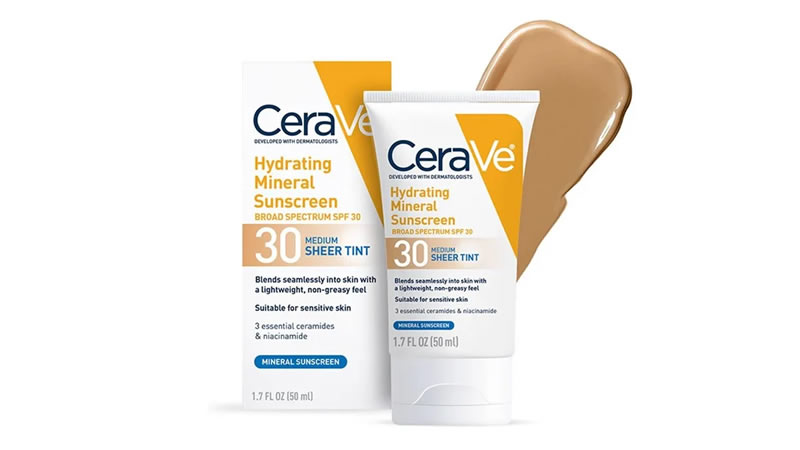
Best for: people who want ceramides alongside sun protection
Price: around $16–20
Why it works: Part of CeraVe’s well-known ceramide lineup, this pairs mineral UV filters with three essential ceramides to help support the skin barrier, useful if your acne-prone skin is also barrier-compromised from actives like retinoids or benzoyl peroxide.
Not ideal for: very oily skin; the hydrating formulas in this line tend to sit more richly than oil-control options like Paula’s Choice above.
7. Neutrogena Purescreen+ Tinted Mineral Face Sunscreen SPF 30
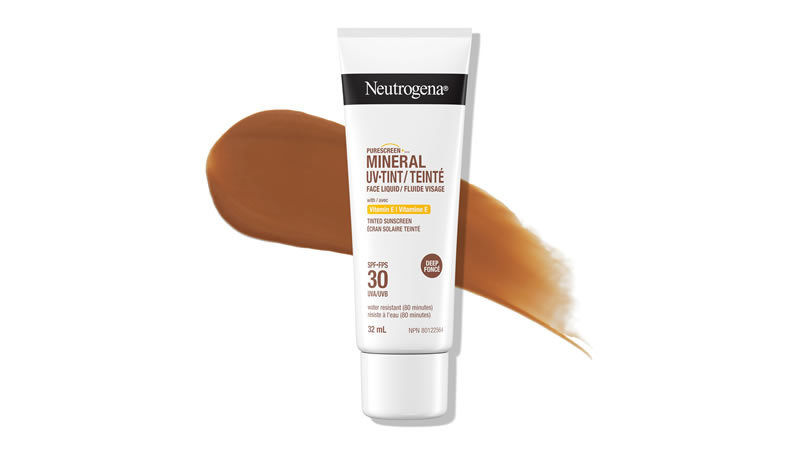
Best for: drugstore accessibility and simple daily wear
Price: around $13–16
Why it works: An affordable, widely available 100% mineral option with a tint to reduce white cast; a solid entry point if you’re not ready to spend on a prestige brand.
Not ideal for: people prioritising a fully invisible finish like most budget mineral tints; some cast is still possible on lighter and deeper skin tones alike.
8. DRMTLGY Physical Tinted Mineral Sunscreen SPF 44
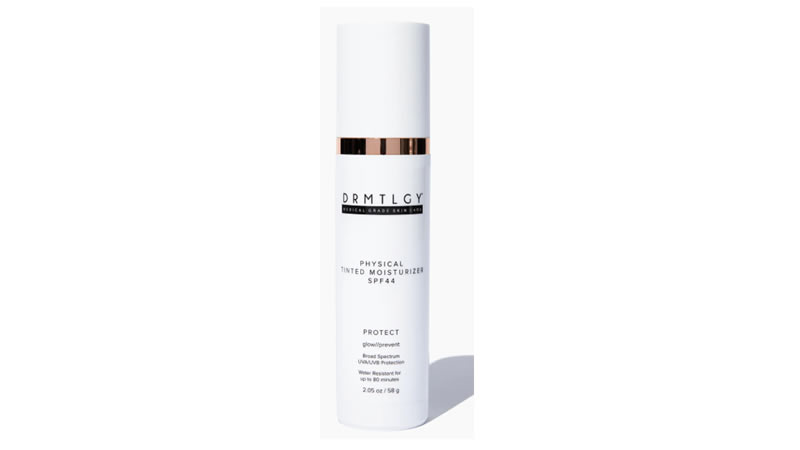
Best for: a natural, radiant (non-matte) finish
Price: around $32–36
Why it works: This has built a strong following for giving a glow rather than a flat matte finish, while staying mineral and non-comedogenic.
Not ideal for: very oily skin types that need mattifying; pick Paula’s Choice or Sun Bum instead if shine control is your priority.
9. Babo Botanicals Daily Sheer Tinted Mineral Sunscreen Fluid SPF 30
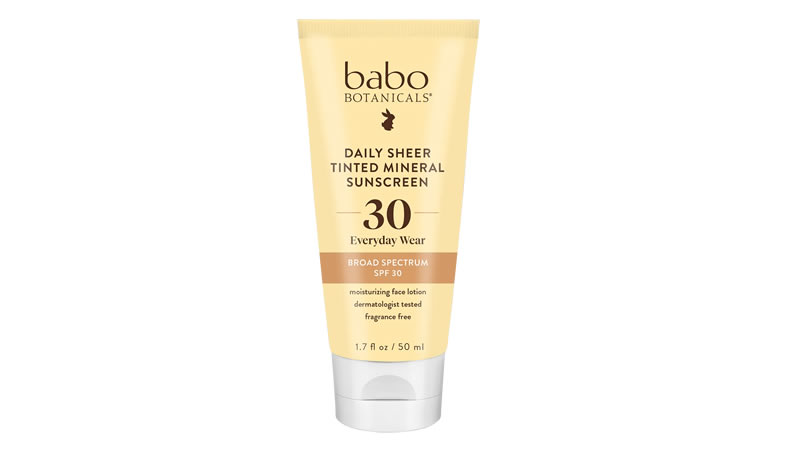
Best for: sensitive skin that also wants a plant-based formula
Price: around $20–24
Why it works: Fragrance-free and formulated with soothing ingredients like sea buckthorn, this is a lightweight fluid texture aimed at people who want a clean or plant-derived ingredient list alongside mineral UV protection.
Not ideal for: people who want a specifically acne-treatment-forward formula (like ones with niacinamide or salicylic acid built in); this one is more about gentle protection than active treatment.
Comparison Table
| Product | Best For | Approx. Price |
| EltaMD UV Physical SPF 41 | Daily oil-free protection | $44–48 |
| Cetaphil Redness Relieving | Calming redness/rosacea | $18–24 |
| Sun Bum Mineral Tinted SPF 30 | Budget-friendly mineral pick | $18–26 |
| Blue Lizard Sensitive SPF 50+ | Ultra-reactive skin | $15–20 |
| Paula’s Choice RESIST SPF 30 | Oily skin, matte finish | $36–39 |
| CeraVe Hydrating Mineral SPF 30 | Barrier support | $16–20 |
| Neutrogena Purescreen+ SPF 30 | Budget daily wear | $13–16 |
| DRMTLGY Physical SPF 44 | Radiant, non-matte finish | $32–36 |
| Babo Botanicals SPF 30 | Sensitive, plant-based | $20–24 |
Why Mineral Over Chemical for Acne-Prone Skin?
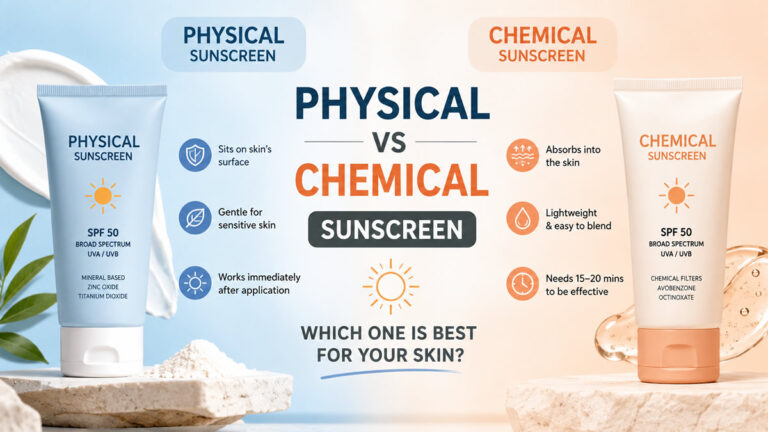
Mineral (physical) sunscreens sit on top of the skin and reflect UV rays, rather than absorbing into the skin and converting UV into heat the way chemical filters do. For skin that’s already inflamed from acne, that heat-generating reaction can worsen redness and irritation, which is why zinc oxide and titanium dioxide tend to be better tolerated. It’s also why we excluded any product with chemical filters (like avobenzone or octinoxate) from this list, even ones marketed toward acne-prone skin, since a mineral-only list should mean exactly that.
Related Reading
Not sure which SPF formula suits your skin type? See our Best Sunscreens for Every Skin Type (2026 Buying Guide).
Want to calm redness before applying sunscreen? See our best alcohol-free toners for sensitive skin.
Frequently Asked Questions
Will mineral sunscreen leave a white cast on my face?
Some cast is more likely with mineral formulas than chemical ones, but tinted options like EltaMD, Sun Bum, and Neutrogena Purescreen+ are formulated to minimise it. It can still vary by skin tone, so patch-testing before relying on one daily is worth doing.
Is zinc oxide good for active acne?
Zinc oxide is generally considered non-comedogenic and gentle, but it isn’t an acne treatment on its own; it won’t clear breakouts. Its main job is sun protection without the irritation risk some chemical filters carry.
Do I need to wash mineral sunscreen off at night?
Yes, like any sunscreen, it should be cleansed off at the end of the day, especially if you’re also using acne treatments that require clean skin to work well.
Can these be worn under makeup?
Yes, most of the tinted options here (EltaMD, Sun Bum, Paula’s Choice) are designed to double as a primer.
How often should I reapply?
Every two hours during direct sun exposure, or immediately after swimming or heavy sweating.
Disclaimer: This content is for informational purposes only and isn’t a substitute for advice from a dermatologist, especially if you have diagnosed acne, rosacea, or another skin condition. The Glow with Grace is a reader-supported platform.
Explore more skincare guides on The Glow with Grace homepage.


7 Comments