
Best Skincare Serums 2026 for Glowing Skin (Top Picks That Work)
Written by Grace Reyes — an independent skincare researcher who reads ingredient labels obsessively so you don’t have to.
Serums do the heaviest lifting in skincare routines. Unlike moisturizers, they deliver concentrated active ingredients in a lightweight, fast-absorbing form, whether your goal is hydration, brightening, smoother texture, or oil control.
Why Serums Matter
A good serum can do things a moisturizer alone can’t:
- Boost hydration — hyaluronic acid serums pull in and hold moisture for plumper skin.
- Brighten tone — vitamin C helps address dullness and uneven tone over time.
- Support ageing skin — retinol and antioxidants help with texture and fine lines.
- Balance oil — niacinamide helps regulate excess sebum and calm redness.
You don’t need five serums — even one or two, matched to your actual skin goal and used consistently, can make a real difference.
Choosing the Right Serum for Your Skin
Not sure which category you fall into? See our guide on How to Identify Your Real Skin Type at Home before picking a serum.
By skin type:
- Dry: hydrating serums built around hyaluronic acid
- Oily/acne-prone: niacinamide or salicylic acid
- Sensitive: fragrance-free, gentler antioxidants
- Combination: lightweight, multi-purpose formulas
By goal:
- Hydration → hyaluronic acid
- Brightening → vitamin C
- Anti-ageing → peptides, retinol
- Oil control → niacinamide
Always patch-test a new serum before applying it to your whole face, and avoid stacking too many new actives at once.
Top 5 Serums to Consider in 2026
1. The Ordinary Hyaluronic Acid 2% + B5
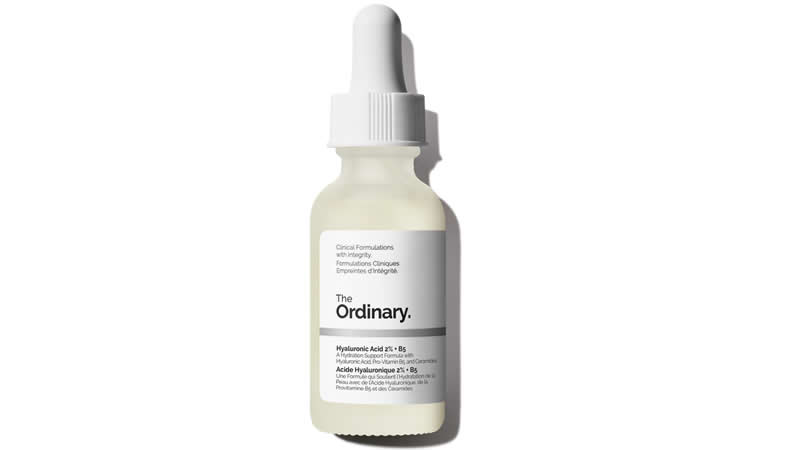
Price: approx. $9–15
Key ingredients: hyaluronic acid, panthenol (vitamin B5)
Why it works: An affordable, fast-absorbing hydrating serum that layers easily under other products; a common starting point for people new to actives.
Not ideal for: very dry climates. On its own, hyaluronic acid needs some moisture in the air (or a layer underneath) to work with; pair it with a proper moisturizer rather than using it alone in dry winter conditions.
2. TruSkin Vitamin C Serum
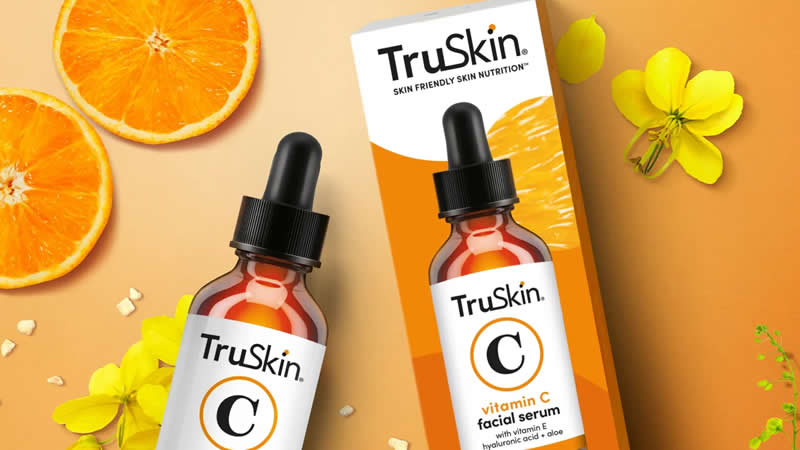
Price: approx. $15–25
Key ingredients: Sodium Ascorbyl Phosphate (a gentler, stable form of vitamin C), hyaluronic acid alternative, vitamin E, witch hazel
Why it works: Uses a stabilised form of vitamin C that’s less likely to sting than more common forms like L-ascorbic acid, which makes it more wearable for sensitive skin while still targeting brightness and tone.
Not ideal for: people specifically wanting a high-percentage L-ascorbic acid formula for stronger brightening; this gentler form works more gradually.
3. CeraVe Resurfacing Retinol Serum
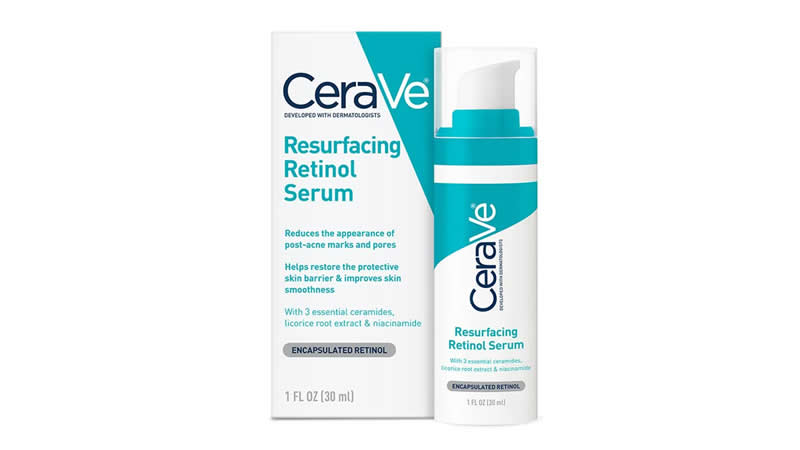
Price: approx. $15–25
Key ingredients: encapsulated retinol, niacinamide, three ceramides, liquorice root extract
Why it works: The encapsulated (slow-release) retinol combined with ceramides makes this one of the more beginner-friendly retinol serums designed to be less irritating than standalone retinol while still targeting texture and post-acne marks.
Not ideal for: anyone wanting a fast, high-strength retinol effect — the slow-release format is gentler, which also means results build more gradually.
4. Neutrogena Hydro Boost Hydrating Serum
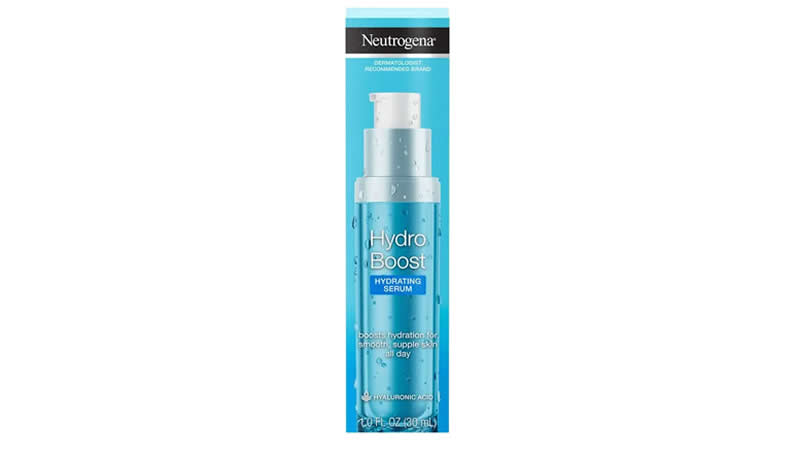
Price: approx. $18–25
Key ingredients: hyaluronic acid
Why it works: A lightweight, water-based hydrating serum that layers well under moisturizer or makeup without feeling heavy.
Not ideal for: anyone looking for a treatment serum; this is a hydration layer, not a serum aimed at acne, ageing, or pigmentation.
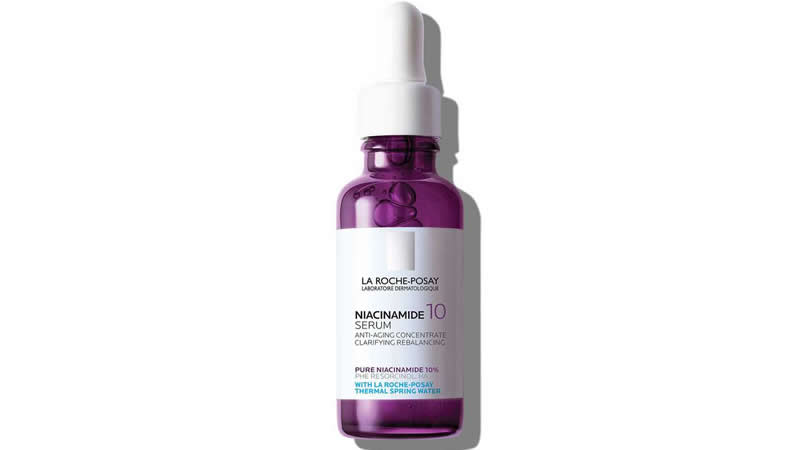
5. La Roche-Posay Pure Niacinamide 10 Serum
Price: check current listing (pricing varies by retailer)
Key ingredients: 10% niacinamide, HEPES (a gentle exfoliant), hyaluronic acid
Why it works: A higher-concentration niacinamide serum aimed at oil control, tone evening, and dark spots; a solid option once you’ve confirmed you tolerate niacinamide well at lower strengths.
Not ideal for: first-time niacinamide users. 10% is a stronger concentration; starting with something in the 2–5% range first is generally the safer route to avoid initial flushing or irritation.
Using Serums in Your Routine
Morning: Cleanse (see our gentle cleansers for sensitive skin picks) → vitamin C or hydrating serum → moisturizer (browse fragrance-free moisturizers for sensitive skin if your skin is reactive) → sunscreen (SPF 30+). If you haven’t settled on a daily sunscreen yet, see our picks for Best Mineral Sunscreens for Acne-Prone Skin.
Night: Cleanse → retinol, niacinamide, or hydrating serum → moisturizer
Introduce one active serum at a time, and give your skin a couple of weeks to adjust before adding the next. For the full breakdown of what order everything goes in, see our Skincare Layering Order guide.
Tips for Buying Serums
- Check ingredient lists rather than relying on marketing claims alone; the label tells you more than the packaging copy does.
- Match the serum to your skin type and goal, not just brand popularity.
- Watch for added fragrance if your skin tends to react.
- Compare retailer listings for the best price on the exact formula you want.
Related Reading
Dealing with breakouts or enlarged pores? See our Top Niacinamide Serums for Oily and Acne-Prone Skin picks.
Want the fuller product roundup for a complete routine, not just serums? See our Best Skincare Products for Glowing Skin guide.
Frequently Asked Questions
Can I use multiple serums at once?
You can, but it’s safer to introduce one active at a time and layer lightweight formulas before heavier ones, so you can tell what’s causing any reaction.
How soon will I see results?
Hydration and smoother texture are often visible within 1–2 weeks. Brightening and anti-ageing effects usually take longer, closer to 4–8 weeks of consistent use.
Can serums replace moisturizer?
No, serums deliver concentrated actives, but moisturizer is what locks that in and protects the skin barrier. They work together, not as substitutes.
Do these work for different US climates?
Yes, though you may want to layer differently: heavier moisturizer under a hydrating serum in dry winter climates, lighter layers in humid conditions.
Disclaimer: The content on The Glow with Grace is for educational and informational purposes only. It is not intended as a substitute for professional medical or dermatological advice.
Explore more skincare guides on The Glow with Grace homepage.