
Best Sunscreens for Every Skin Type (2026 Buying Guide)
Written by Grace Reyes — an independent skincare researcher who reads ingredient labels obsessively so you don’t have to.
Finding the right sunscreen can feel overwhelming with so many mineral, chemical, and hybrid formulas on the market. A product that works well for oily skin might feel too heavy for dry skin, while sensitive skin often needs a gentler, more irritation-free formula altogether. Here’s a quick decision guide, organised by skin type.
Quick Picks
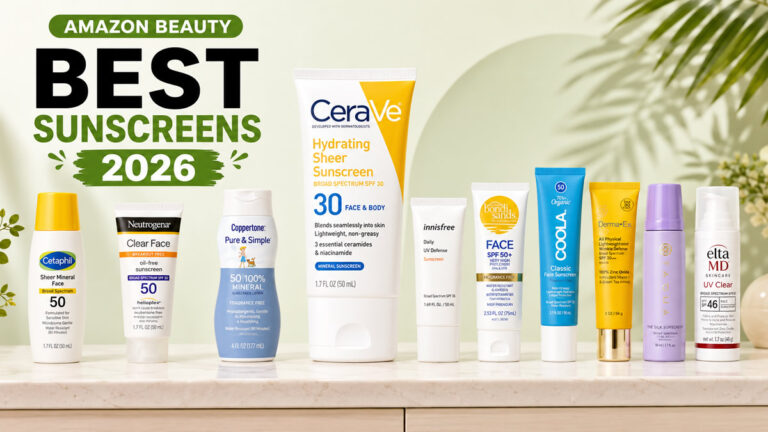
- Best Overall (Sensitive Skin): CeraVe Hydrating Mineral Sunscreen SPF 50
- Best Budget: Neutrogena Ultra Sheer Dry-Touch SPF 50
- Premium Choice: La Roche-Posay Anthelios Melt-in Milk SPF 50
- Best for Oily/Acne-Prone Skin: EltaMD UV Clear SPF 46
- Best for Dry Skin: Aveeno Protect + Hydrate SPF 60
1. CeraVe Hydrating Mineral Sunscreen SPF 50
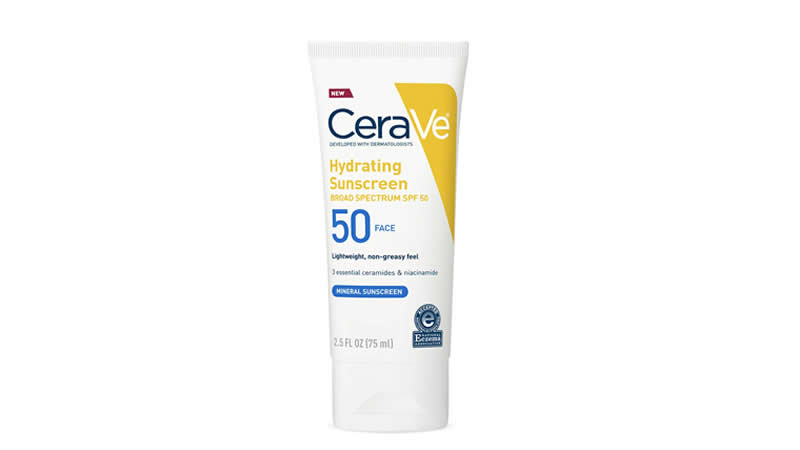
Best for: sensitive skin
Price: approx. $15–25
Key ingredients: mineral (zinc oxide/titanium dioxide) filters, ceramides, niacinamide
Why it works: CeraVe’s skincare line was developed in collaboration with dermatologists, and this sunscreen follows the same approach: mineral filters that tend to be gentler than chemical ones, plus ceramides to support the skin barrier. It’s a solid daily option for people who find chemical sunscreens irritating.
Not ideal for: anyone wanting a completely invisible finish like most mineral sunscreens; it can leave a slight cast on some skin tones.
2. Neutrogena Ultra Sheer Dry-Touch SPF 50
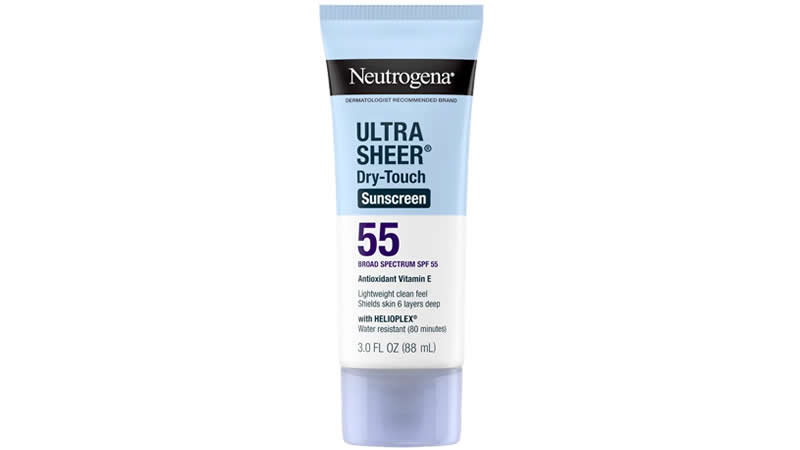
Best for: everyday, budget-friendly wear across most skin types
Price: approx. $8–15
Why it works: A long-running, widely available option with a lightweight, matte dry-touch finish that doesn’t feel heavy; a reliable, low-cost daily default.
Not ideal for: very sensitive or reactive skin. As a chemical-filter sunscreen, it’s more likely to cause stinging on compromised or reactive skin than a mineral option would.
3. La Roche-Posay Anthelios Melt-in Milk SPF 50
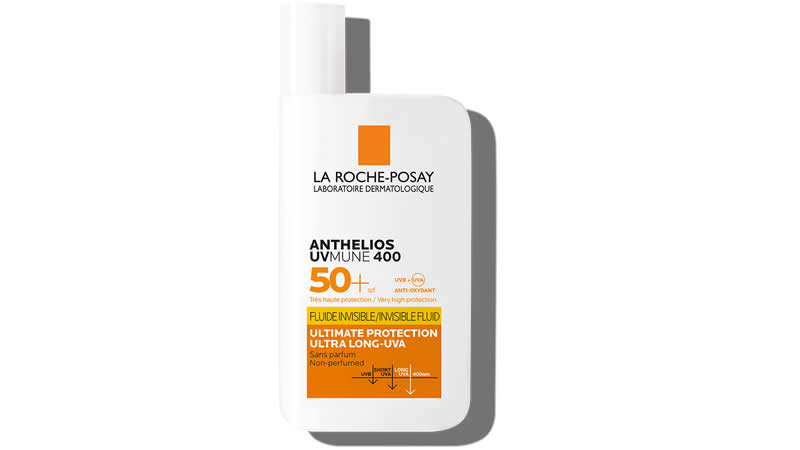
Best for: a premium, smooth-texture daily sunscreen
Price: approx. $25–35
Why it works: La Roche-Posay is a French pharmacy brand frequently recommended by dermatologists, and the Melt-in Milk formula is known for a smooth, non-sticky texture that wears comfortably under makeup.
Not ideal for: budget-conscious buyers; this sits at the higher end of the price range for a similar level of protection you can get elsewhere for less.
4. EltaMD UV Clear SPF 46
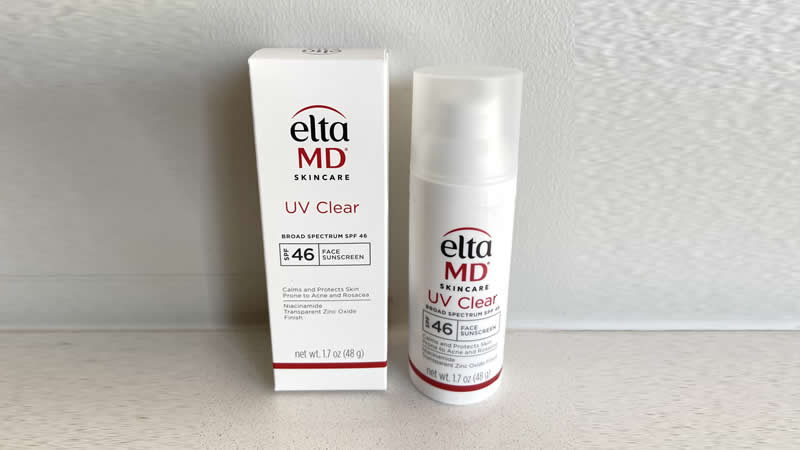
Best for: oily, acne-prone, or rosacea-prone skin
Price: approx. $40–48
Key ingredients: 9% zinc oxide, 7.5% octinoxate (a hybrid mineral-chemical formula), 5% niacinamide
Why it works: This is one of the most commonly recommended sunscreens in dermatology offices for acne-prone and rosacea-prone skin, largely because of the niacinamide (which helps with redness and tone) combined with a lightweight, oil-free, non-comedogenic finish.
Not ideal for: anyone specifically looking for a 100% mineral formula; this is a hybrid, not a pure mineral sunscreen, since it includes octinoxate as a chemical filter alongside zinc oxide.
5. Aveeno Protect + Hydrate SPF 60
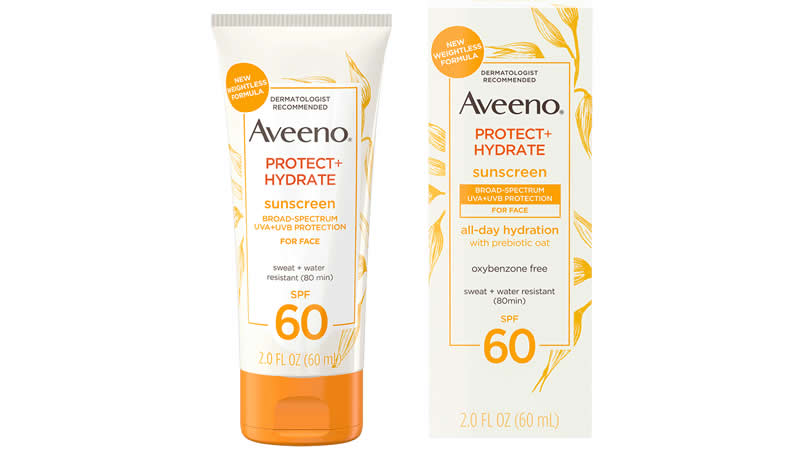
Best for: dry skin that needs hydration alongside sun protection
Price: approx. $12–20. Key ingredients: avobenzone, homosalate, octisalate, octocrylene (chemical filters), oat kernel extract
Why it works: A chemical-filter sunscreen built around Aveeno’s signature oat extract, which has a soothing, barrier-supporting reputation a reasonable pick for dry skin that also wants some hydration built in.
Not ideal for: very sensitive or reactive skin. This is a chemical (not mineral) formula, so it carries a higher chance of stinging on compromised skin than a mineral option would.
Comparison Table
| Product | Best For | SPF | Formula Type |
| CeraVe Hydrating Mineral SPF 50 | Sensitive skin | 50 | Mineral |
| Neutrogena Ultra Sheer SPF 50 | Budget, everyday wear | 50 | Chemical |
| La Roche-Posay Anthelios Melt-in Milk SPF 50 | Premium daily wear | 50 | Chemical |
| EltaMD UV Clear SPF 46 | Oily/acne-prone/rosacea | 46 | Hybrid (mineral + chemical) |
| Aveeno Protect + Hydrate SPF 60 | Dry skin | 60 | Chemical |
Prices and formulations can change; always confirm the active ingredients on the specific listing before buying.
How to Choose
- Oily skin: oil-free, lightweight formulas (chemical or hybrid tend to feel less heavy)
- Dry skin: hydrating formulas with added moisturising ingredients
- Sensitive skin: mineral sunscreens are generally the safer starting point
- Acne-prone skin: look for non-comedogenic labelling specifically, regardless of formula type
The Bigger Picture
Regardless of skin type, daily sunscreen is one of the few skincare habits with strong, consistent evidence behind it; it helps prevent sunburn, slows visible signs of ageing, and reduces long-term UV damage. The best sunscreen for you is less about brand and more about which formula you’ll actually use every single day without skipping it.
Hate the white cast from mineral sunscreens? See our Best Sunscreens Without White Cast picks.
Dealing with both oily and sensitive patches? See our Best Sunscreens for Sensitive and Oily Skin guide.
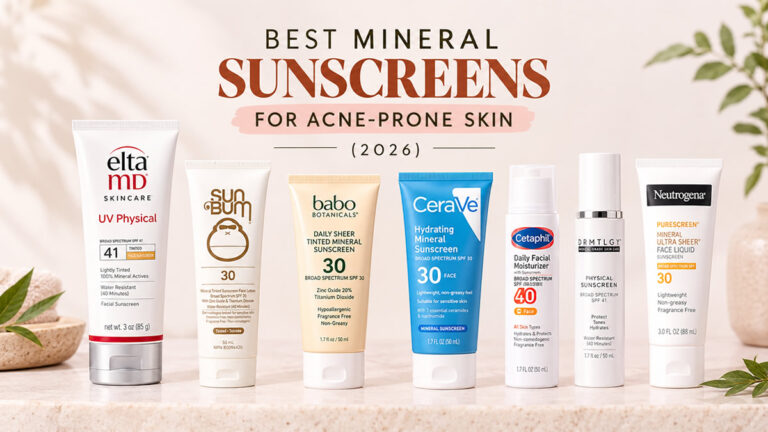
Prone to breakouts specifically? See our Best Mineral Sunscreens for Acne-Prone Skin (2026) roundup for a deeper dive on that category.
Frequently Asked Questions
Is mineral or chemical sunscreen better?
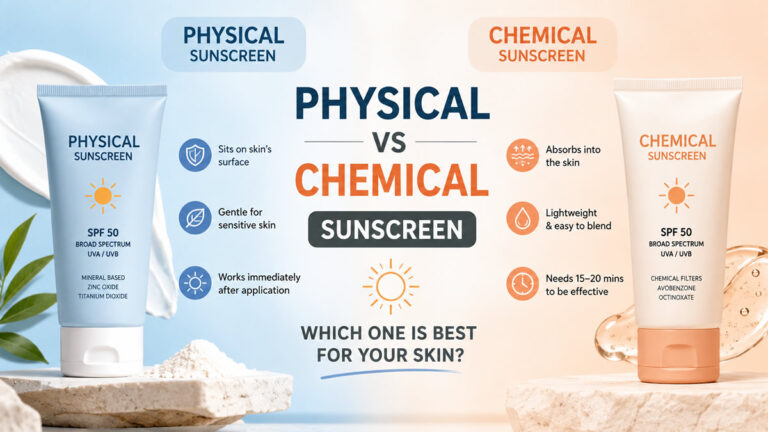
Neither is universally better; mineral formulas tend to suit sensitive or reactive skin better, while chemical formulas often feel lighter and blend more invisibly. The right choice depends on your skin type and how it reacts to each.
Can I use a body sunscreen on my face?
You can, but face-specific formulas are usually lighter and less likely to clog facial pores. If you have acne-prone or sensitive facial skin, a dedicated face sunscreen is generally the safer choice.
Do I need SPF 50+ or is SPF 30 enough?
SPF 30 blocks about 97% of UVB rays, while SPF 50 blocks about 98%; the difference is small in practice. What matters more is applying enough product and reapplying every two hours, regardless of which SPF number you choose.
Will sunscreen make my oily skin worse?
Not if you pick the right formula. Oil-free, non-comedogenic sunscreens (like EltaMD UV Clear) are specifically designed not to add extra oil or clog pores.
How much sunscreen should I actually apply?
Most people apply far less than needed. A commonly used guideline is about a nickel-sized amount for the face alone, and roughly a shot-glass amount for full-body coverage.
Disclaimer: The content on The Glow with Grace is for educational and informational purposes only. It is not intended as a substitute for professional medical or dermatological advice.
Explore more skincare guides on The Glow with Grace homepage.

7 Comments