How to Deal with Hormonal Acne on Jawline (Tips from Skincare Experts)
Written by Grace Reyes — Independent skincare researcher who reads ingredient labels obsessively so you don’t have to.
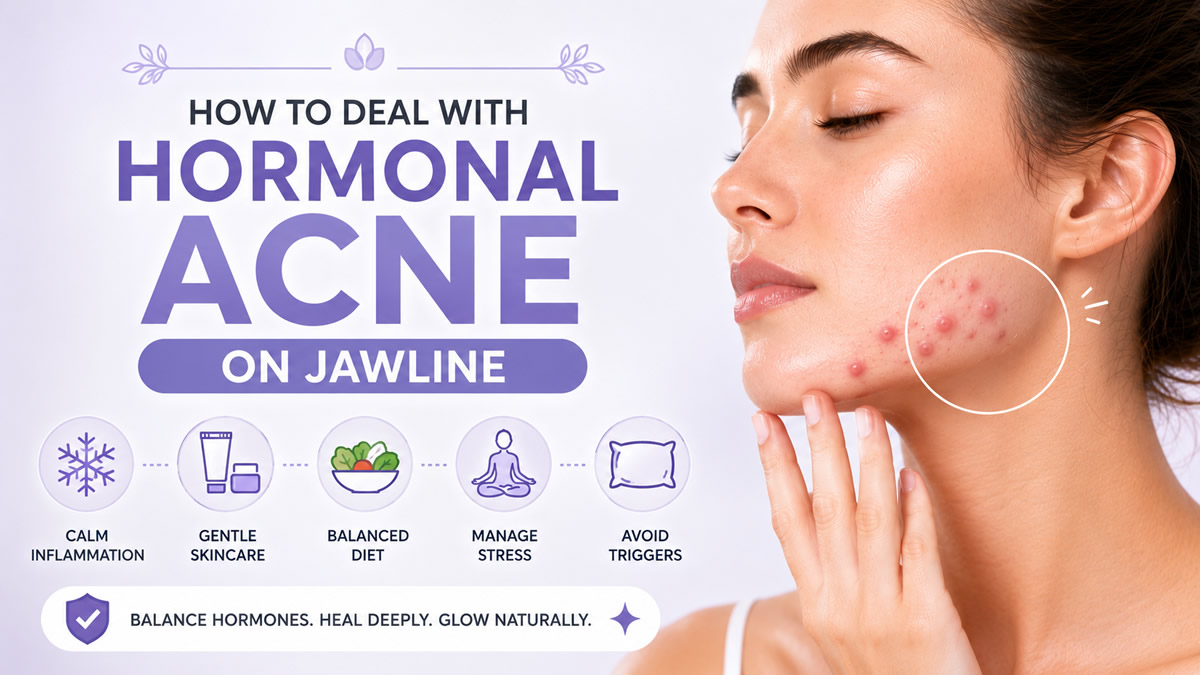
Learning how to deal with hormonal acne on jawline areas starts with understanding why those deep, painful bumps form. Hormonal breakouts often target the lower face in adult women. These stubborn cysts sit deep beneath the skin surface. They rarely come to a head like regular pimples.
How to Deal With Hormonal Acne on Jawline: Why It Forms
Your lower face contains many androgen-sensitive oil glands. Hormonal fluctuations increase levels of male hormones called androgens. Higher androgen levels trigger excess sebum production. This thick oil mixes with dead skin cells inside pores.
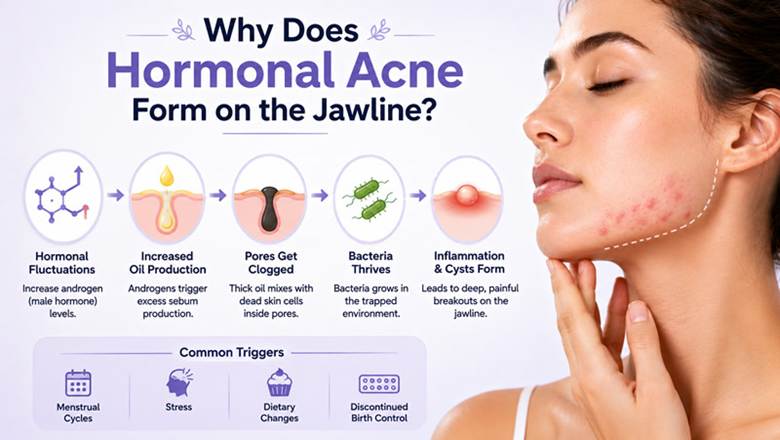
Bacteria thrive in this trapped environment, causing painful inflammation. Common triggers include menstrual cycles, stress, and dietary changes. Discontinued birth control can also spike androgen production. Understanding your triggers helps you manage breakouts effectively.
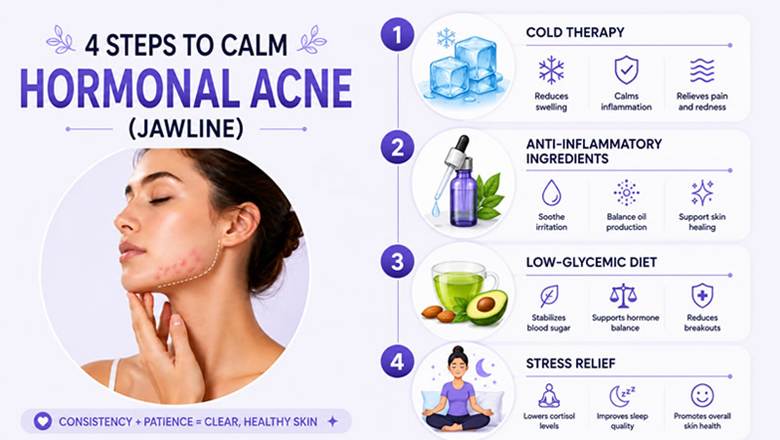
Step 1: Calm Inflammation with Cold Therapy
Do not squeeze deep jawline cysts. Squeezing pushes bacteria deeper into your skin tissue. This practice leads to severe scarring and lingering dark spots.
Use an ice compress to reduce acute swelling:
- Wrap a clean ice cube in a soft cloth.
- Hold it against the painful cyst for five minutes.
- Take a ten-minute break to protect your skin.
- Repeat this process three times a day.
Cold temperatures constrict local blood vessels. This simple action rapidly reduces pain and redness.
Step 2: Build a Gentle Anti-Inflammatory Routine
Aggressive acne treatments can strip your protective skin barrier. A damaged barrier allows more acne-causing bacteria to enter. Keep your daily routine minimalist and soothing.
Use a gentle, pH-balanced cleanser every morning and night. Avoid harsh physical scrubs or alkaline bar soaps. Choose lightweight, non-comedogenic moisturisers to maintain hydration without clogging pores.
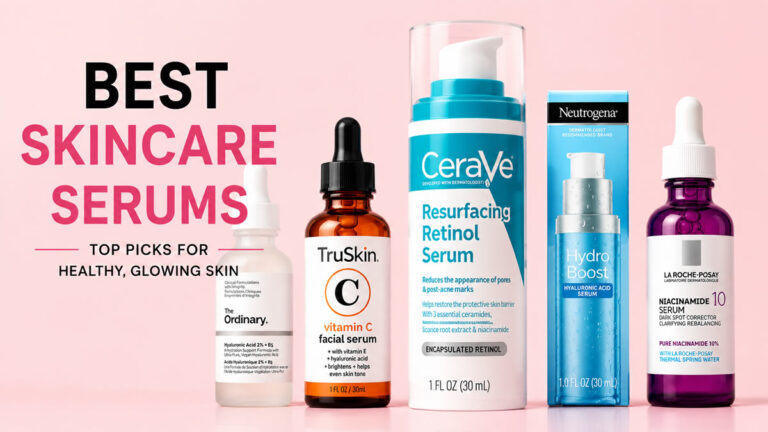
Look for soothing active ingredients in your serums:
- Niacinamide (2–5%): Reduces inflammation and regulates oil production.
- Azelaic Acid: Unclogs pores, reduces redness, and fades dark spots.
- Zinc: Soothes irritation and promotes natural skin healing.
Niacinamide calms redness and balances sebum production; explore our top picks for the best niacinamide serums for acne-prone skin to support your recovery. Always finish your morning routine with broad-spectrum mineral sunscreen. Sun protection prevents post-acne marks from darkening permanently.
Step 3: Adjust Your Diet to Lower Androgens
Nutrition plays a major role in hormonal health. Certain foods trigger rapid insulin spikes in your bloodstream. High insulin levels signal your ovaries to produce more androgens.
Limit high-glycemic foods to stabilise your internal hormones:
- Reduce refined sugar, white bread, and sugary beverages.
- Swap processed snacks for whole, fibre-rich foods.
- Drink green tea daily to lower inflammation levels naturally.
- Eat spearmint tea to help balance androgen activity.
To calm skin inflammation both inside and out, consider pairing your routine with alcohol-free toners for sensitive skin. Many adult women find reducing dairy intake decreases cystic breakouts. Whey protein and skim milk can trigger hormonal acne flare-ups. Focus on antioxidant-rich berries, leafy greens, and healthy omega-3 fats.
Step 4: Manage Stress and Cortisol Levels
High stress directly impacts your skin clarity. Your adrenal glands release cortisol whenever stress levels rise. Cortisol increases inflammation and stimulates sebum production simultaneously.
Incorporate daily stress-relief habits to calm your nervous system:
- Practice ten minutes of deep breathing every morning.
- Prioritise seven to eight hours of restful sleep nightly.
- Take daily walks outside to lower mental tension.
- Limit late-night screen time before going to sleep.
Consistent rest lowers cortisol levels across your entire body. Lower cortisol means fewer inflamed cysts along your jawline. Always finish your morning routine with broad-spectrum mineral protection; see our top picks for the best mineral sunscreens for acne-prone skin.
Step 5: Avoid Physical Friction and Triggers
External friction worsens lower face acne significantly. Touching your chin transfers oil and bacteria from your hands.
Prevent mechanical irritation with simple daily habits:
- Sanitise your smartphone screen with alcohol wipes daily.
- Change your silk or cotton pillowcases twice weekly.
- Avoid resting your chin on your hands during work.
- Wash reusable face masks after every single use.
Reducing physical contact keeps external bacteria far away from vulnerable pores. A harsh cleanser can worsen lower face acne. Switch to a non-stripping cleanser like the ones featured in our guide to the best face wash for sensitive skin.
When to Consult a Board-Certified Dermatologist
Home care calms mild to moderate hormonal breakouts effectively. However, deep recalcitrant cysts may require medical guidance. A dermatologist can evaluate your hormone levels accurately.
Topical retinoids or prescription oral therapies offer targeted internal support. If you want to know how to deal with hormonal acne on jawline areas long-term, combining medical guidance with a gentle lifestyle routine ensures clear skin. Be patient with your healing process. Hormonal balance takes time, but consistent care yields healthy, clear skin.
Frequently Asked Questions (FAQs)
Q: Why does hormonal acne specifically target the jawline and chin?
The lower face contains a high concentration of androgen-sensitive oil glands. When hormone levels fluctuate, increased androgen signals trigger excess, sticky sebum that traps dead skin cells deep inside jawline pores.
Q: How can you tell the difference between a regular pimple and a hormonal cyst?
Regular pimples usually form near the surface with a visible whitehead or blackhead. Hormonal cysts develop deep under the skin, feeling like hard, painful, inflamed bumps that rarely come to a head.
Q: Does drinking spearmint tea actually help with hormonal jawline acne?
Yes. Studies suggest spearmint tea possesses natural anti-androgenic properties. Drinking one to two cups daily can help lower excess male hormones, reducing oil production and cystic flare-ups over time.
Q: Should you pop or squeeze deep hormonal jawline bumps?
Never squeeze deep hormonal cysts. Because the infection sits far beneath the surface, pressing on it pushes bacteria deeper into the dermis, causing severe tissue damage, scarring, and lingering dark spots.
Q: How long does it take to see results from lifestyle and skincare changes?
Skin cell turnover and hormonal stabilisation take time. While ice therapy reduces immediate swelling in minutes, visible reduction in new cystic breakouts typically requires 4 to 8 weeks of consistent care.
Disclaimer: The content on The Glow with Grace is for educational and informational purposes only. It is not intended as a substitute for professional medical or dermatological advice.
Explore more skincare guides on The Glow with Grace homepage.